
History of National Parks and National Landscapes
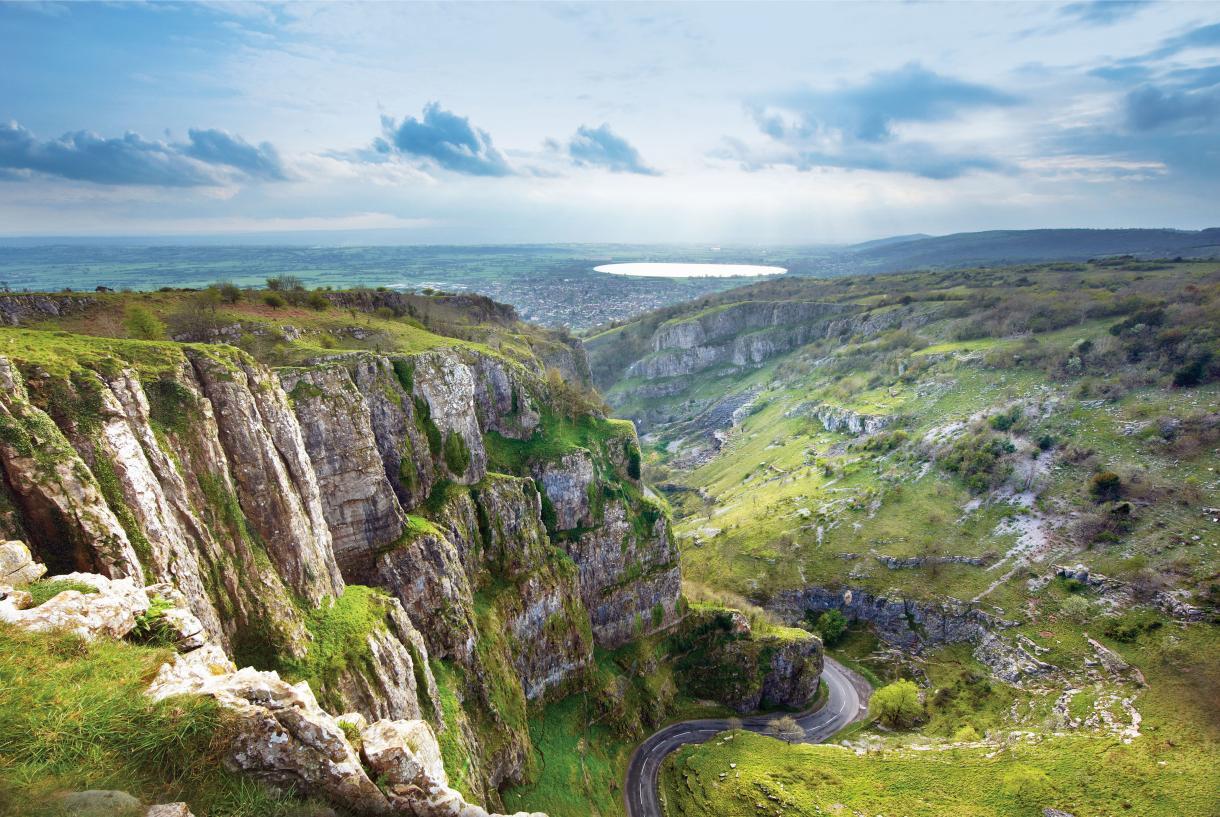
Protecting landscapes for people & nature
In 1936, a group of passionate outdoor enthusiasts had a shared vision of the UK’s precious landscapes preserved for nature and open for all to enjoy. Known as the Standing Committee on National Parks, a founding group of organisations including the YHA, CPRE and The Open Spaces Society came together to campaign for this vision to be brought to reality.
During the 1940s two reports, The Hobhouse Report and The John Dower Report were commissioned to respond to the wish of the public to have access to land for recreation purposes, and in 1949 the National Parks and Access to the Countryside Act was passed. This paved the way for the creation of National Parks and National Landscapes (known until 2023 as Areas of Outstanding Natural Beauty).
Our National Parks and National Landscapes
The first protected landscapes to be created were the Peak District, Eryri, Dartmoor and Lake District National Parks designated in 1951; and Gŵyr (Gower) and Quantock Hills National Landscapes designated in 1955.
Our most important landscapes continued to be protected into the new millennium, with Tamar Valley designated in 1995 and Yorkshire Wolds currently being considered for designation; and the New Forest and South Downs National Parks designated in 2005 and 2010.
There are currently 15 National Parks and 38 National Landscapes in the UK and eight Areas of Outstanding Natural Beauty in Northern Ireland.
Now and into the future
The Countryside Rights of Way Act 2000 granted the public greater access to land in National Parks and National Landscapes, enabling more people to enjoy recreation for the benefit of their health and wellbeing.
In 2023, then Areas of Outstanding Natural Beauty were renamed National Landscapes after the 2019 Review of Designated Landscapes recommended their national importance be reflected in their name.
As we face an urgent need to restore biodiversity and create climate resilience, National Parks and National Landscapes are vitally important and their continued protection and enhancement will be key to the UK’s future.